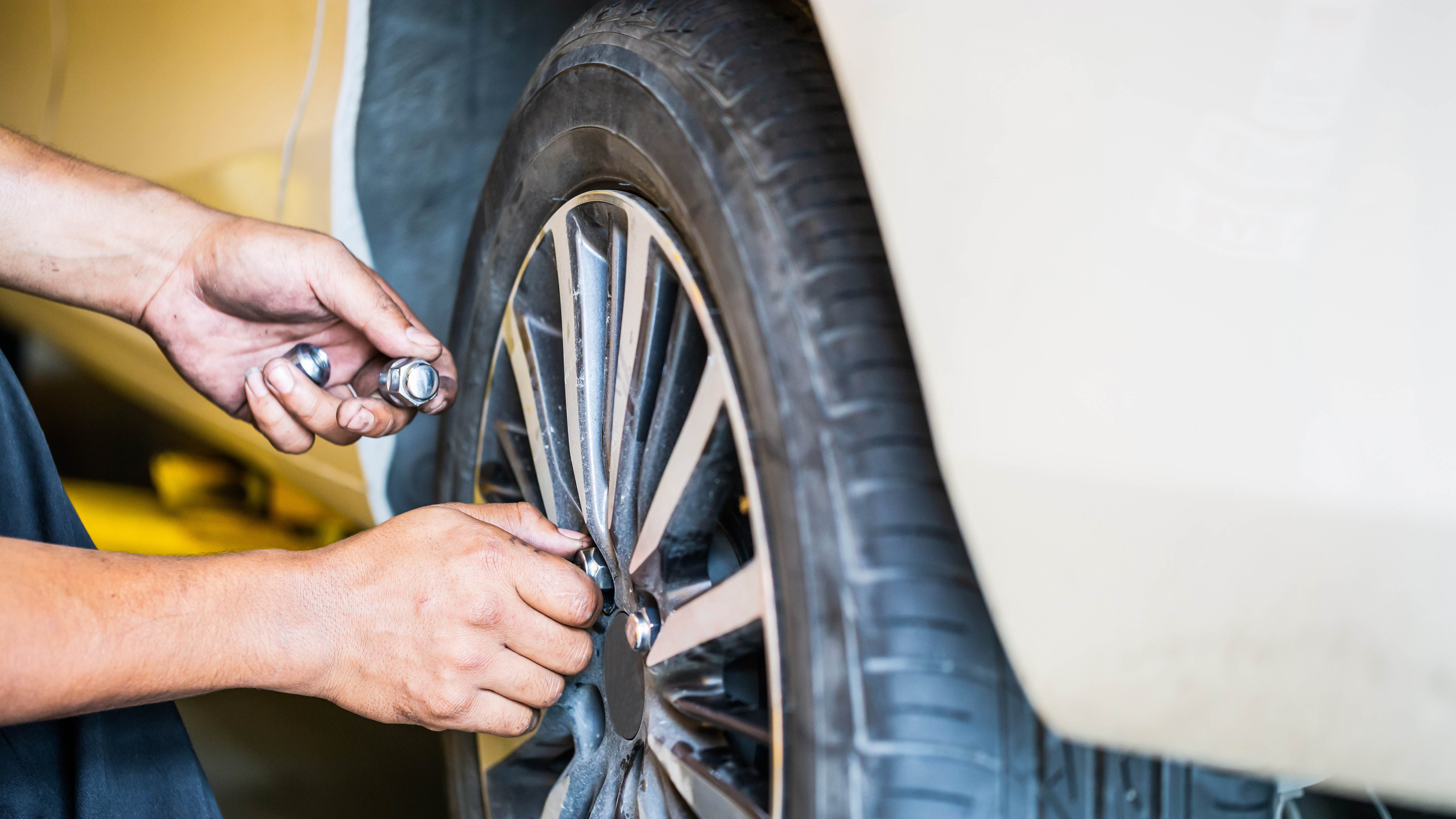
SEMA's 2026 Market Report is out, and the specialty equipment aftermarket now accounts for $53 billion in parts and accessory sales. The market is healthy. The buyer is changing. More than half of accessory and performance parts buyers are now under 40, and they shop nothing like the generation before them. Here are the findings that stood out for us, and what each one means for your Shopify parts store.

A $53 billion market that keeps growing
The specialty equipment market grew about 1% from 2025 to a new high, despite mixed economic conditions. Slow growth is still growth, and it says something about this industry: people keep investing in their vehicles even when the economy makes them cautious everywhere else.
Pickup trucks are 30% of the industry
Vehicle owners spent more than $15 billion modifying pickups for off-road, utility, and lifestyle builds. No other vehicle segment comes close.
Key takeaway: if you sell truck parts, organize your Shopify collections around platforms and use cases like overlanding, towing, and work trucks, not just part categories. A buyer planning an overland build wants everything that fits that build in one place, not a scavenger hunt across suspension, lighting, and racks.
1 in 4 vehicle owners personalized their ride
And most of them are upgrading their everyday car, not a dedicated project vehicle. The commuter adding a leveling kit and a tonneau cover to the F-150 they drive to work is now a bigger part of this market than the enthusiast building a weekend toy.
Key takeaway: your product pages and email flows should speak to the daily driver crowd, not only the hardcore builder. If every headline and photo assumes a show car, you are talking past most of your buyers.
More than half of buyers are under 40
This is the stat with the biggest implications for your store. Younger buyers are taking on more complex builds than ever before, and they grew up shopping on a phone. They expect:
- Fast mobile pages. If the product grid drags on a phone, they are gone.
- Accurate year/make/model fitment search. "Will it fit my truck" should be answered in one search, not a support ticket.
- Video content. Install walkthroughs and build features do the selling for you.
- Financing for high-AOV purchases. A $3,000 suspension kit needs an installment option at checkout.
Key takeaway: audit your mobile speed regularly, keep fitment data clean in metafields, tune your site search so queries stop dead-ending, and make sure customers can pay in installments.
Internal combustion is not going anywhere
EVs and hybrids are now more than 15% of new vehicle sales, and SEMA still expects internal combustion to remain the dominant powertrain for new vehicles through the next decade. If your catalog is built around combustion platforms, you have a long runway. The urgent work is not pivoting away from gas engines; it is catching up to a buyer who is changing much faster than the vehicle fleet.
The market is healthy. The buyer is changing.
That is the whole report in two sentences. The merchants winning in 2026 are the ones whose product data, mobile experience, and merchandising match how this buyer actually shops. And now that Shopify Catalog feeds product data to AI channels by default, clean product data pays off twice: once in your own store's search and merchandising, and again when an AI assistant is deciding which parts to recommend. Our AEO guide for Shopify merchants covers that second half.
At Ambaum we work with auto parts merchants on exactly these problems: fitment data, site search, mobile performance, and AI readiness. We have covered this industry for years; our SEMA 2025 recap has more on how Shopify itself is accelerating into automotive. Want a second set of eyes on whether your aftermarket parts store is built for today's buyer? Run a free Agentic Commerce Audit or explore our AI Enablement services.
Read the full transcript
SEMA's 2026 Market Report is out and the aftermarket now accounts for $53 billion in parts and accessory sales. The market is healthy, but the buyer is changing. Here's what that means for your parts store.
First, the numbers. The market grew about 1% to a new high of $53 billion. Pickups are 30% of the industry with over $15 billion spent on truck builds. One in four owners personalized their ride, and more than half of buyers are now under 40.
If you sell truck parts, organize your Shopify collections around platforms and use cases like overlanding, towing, and work trucks, not just part categories. And most buyers upgrade their daily driver. So speak to the commuter with the F-150, not only the weekend builder.
Now, the big one. More than half of these buyers are under 40, and they grew up shopping on a phone. They expect fast mobile pages, accurate year, make, and model fitment search, video content, and financing for big purchases. So audit your mobile speed, keep fitment data clean in metafields, tune your search, and offer installments.
And combustion engines are not going anywhere. EVs and hybrids are over 15% of new vehicle sales, but SEMA expects combustion to stay dominant through the next decade. And with Shopify Catalog now feeding product data to AI channels by default, clean product data pays off twice.
At Ambaum, we work with auto parts merchants on exactly these problems. If you want a second set of eyes on your aftermarket parts store, reach out. We're happy to help.